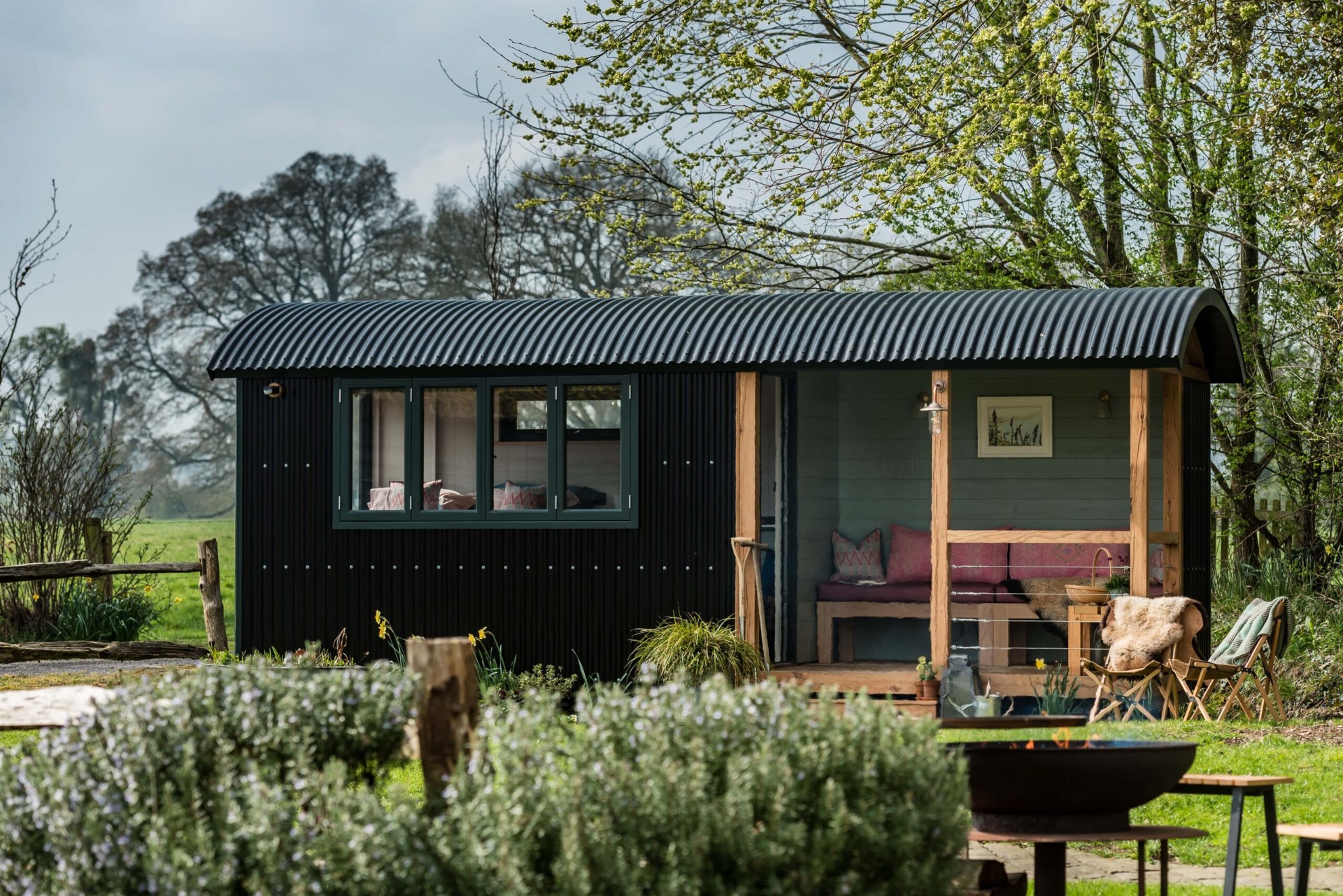
A little history
What is a shepherd's hut?
Shepherd huts were originally conceived a few hundred years ago. Early publications from the late 16th century mention huts being used by shepherds, and they were made on farms with whatever was to hand — wood if there was a resident carpenter, metal if there was a blacksmith.
Their use by farmers reached a peak in the late 19th century and dwindled in the 20th century with the arrival of mechanised farm machinery and electric power reaching even remote farms. They persisted longest in some northern counties, particularly Westmorland and Northumberland, where upland terrain supports little else but sheep farming.
All in one
Kitchen, bedroom, sitting room and storeroom — rolled into one.
The shepherd hut was a self-contained home on wheels. Designs varied, but every hut was built to give the shepherd practical and durable accommodation. It had to withstand weather, travel and daily life, all while keeping the flock in sight.
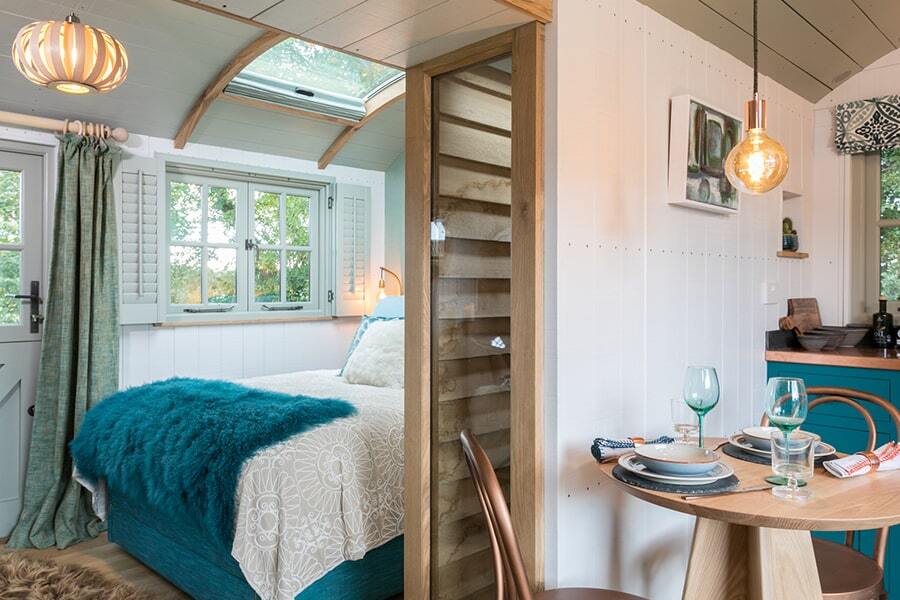
Built for purpose
The anatomy of a traditional hut
A stove for warmth and cooking
The old huts had a small stove in one corner. It provided heat, cooked simple meals, and kept the shepherd comfortable through lambing.
Windows on every side
Windows were positioned so the shepherd could keep an eye on the flock from wherever he was sitting — practical design born from the job.
A hinged stable door
The door was always placed away from the prevailing wind. Left open, it let the shepherd hear his sheep while still being sheltered.
Cast iron wheels & strong axles
Built to be moved from field to field, huts sat on iron chassis and sturdy wheels that could withstand rough ground and constant use.
Things have moved on
You dream it, we craft it.
Blackdown Shepherd Huts now create luxury living spaces with bedrooms, bathrooms, kitchens, offices and saunas — your options are almost endless. With the same quality and craft as standard, you have the chance to be the envy of every Victorian shepherd.